Love Yourself, Love Your Country: Make Cancer Screening Part Of Your Lifestyle | HOSPITAL SULTAN ABDUL AZIZ SHAH (HSAAS) UNIVERSITI PUTRA MALAYSIA hsaas
» ARTICLE » Love Yourself, Love Your Country: Make Cancer Screening Part of Your Lifestyle

Love Yourself, Love Your Country: Make Cancer Screening Part of Your Lifestyle


Love Yourself, Love Your Country: Make Cancer Screening Part of Your Lifestyle

Every time the month of independence arrives, Malaysians come together to celebrate the spirit of patriotism by flying the Jalur Gemilang, singing patriotic songs and participating in various activities that foster a sense of love and pride for the country. However, patriotism should not be expressed solely through the celebration of Independence Month. Instead, our love for the country can also be demonstrated through efforts to maintain our health so that we remain healthy and well, enabling us to continue contributing to our families, communities, religion and nation.

Health is a highly valuable asset in life. A healthy society is not only able to enjoy a better quality of life, but can also contribute productively to the development of the nation. Therefore, cancer screening should be made part of regular healthcare practices and a healthy lifestyle. Early detection of cancer can improve the effectiveness of treatment, reduce the risk of complications and provide patients with a better opportunity to achieve an optimal quality of life.

Cancer is often referred to as a “silent killer” because it may not present with noticeable symptoms during its early stages. This can result in many patients seeking treatment only after the cancer has progressed to an advanced stage. At this stage, treatment options become more complex, while the chances of achieving a cure may also decrease.

Through screening, early changes or precancerous conditions can be detected before symptoms appear. Detecting cancer at an early stage allows treatment to begin promptly, thereby improving treatment effectiveness and the chances of recovery. Therefore, screening is not merely a routine health examination, but an important step in protecting one's health and a long-term investment in personal well-being.

Among the cancer screenings that should be given attention are:

Breast Cancer Screening:
Women are encouraged to be aware of any changes in their breasts by performing regular Breast Self-Examination (BSE).

The American Cancer Society (ACS) recommends that women aged 45–54 undergo annual mammograms.

Women aged 55 and above may undergo mammography annually or once every two years.


Cervical Cancer Screening:
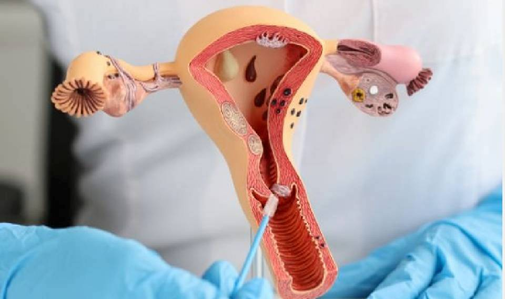
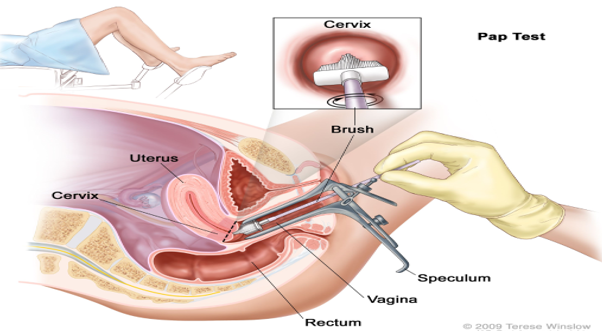
A Pap smear is recommended from the age of 21, or when an individual becomes sexually active. The procedure involves collecting a small sample of cells from the cervix.

HPV DNA testing is recommended for women aged 30 to 65 years. This test detects high-risk HPV DNA through a self-sampling method.


Colorectal Cancer Screening:
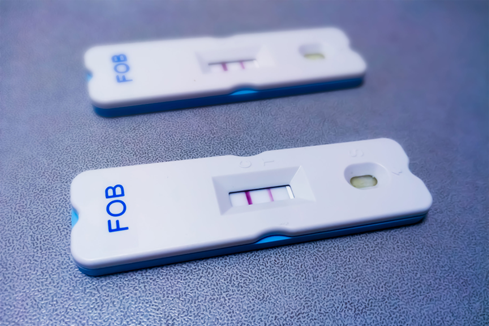
The IFOBT (Immuno Fecal Occult Blood Test) uses an individual's stool sample.

This test is specifically recommended for individuals aged 50 to 75 years and is available at government health clinics.

The test results will indicate either a negative result (no early signs of cancer) or a positive result (presence of early signs of cancer). If the test result is positive, the individual is advised to seek further medical attention or undergo an endoscopic examination.

Symptoms such as changes in bowel habits, blood in the stool, persistent abdominal pain or unexplained weight loss should not be ignored and require prompt medical examination.


Prostate Cancer Screening:
A Digital Rectal Examination (DRE) is performed to examine the prostate through the rectum using a finger. The examination involves inserting a finger into the rectum to assess the surface of the prostate gland.

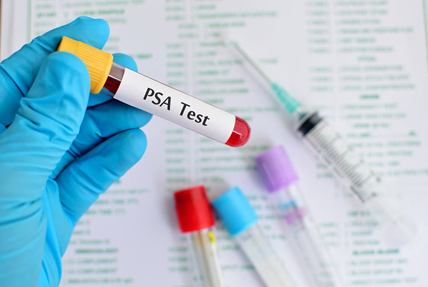
A Prostate-Specific Antigen (PSA) blood test is used to measure the level of PSA, a protein produced by the prostate gland, in the blood.

PSA blood testing is recommended for men aged 50 and above, or earlier for those at higher risk.


Many individuals believe that they only need to undergo medical examinations when they experience symptoms. In reality, the primary purpose of early cancer screening is to detect the disease before symptoms appear. Waiting until symptoms occur may result in the opportunity for early treatment being missed.

Let us make the spirit of independence an inspiration to take proactive steps in maintaining our health. Take some time to undergo the recommended cancer screenings, encourage family members and friends to do the same, and spread awareness throughout the community. Love yourself, love your family, love your country. Make cancer screening part of your lifestyle, because early detection can save lives.


Source:

https://www.pantai.com.my/ampang/ms/news/early-detection-saves-lives-the-importance-of-cancer-screening

https://hellodoktor.com/kanser/kanser-payudara/pemeriksaan-mamogram-usia/

https://www.malaysia.gov.my/my/personas/wanita/panduan-dan-kemudahan-kesihatan-wanita/program-saringan-kanser-serviks-ujian-hpv-dna-oleh-lppkn

https://www.ukm.my/mycohort/ms/ujian-saringan-kanser-kolorektal/

https://www.moh.gov.my/images/04-penerbitan/rujukan/penyakit-berjangkit/kanser/BUKU_PANDUAN_SARINGAN_DAN_PENGESANAN_AWAL_KANSER_KOLOREKTAL_EDISI_3_2020.pdf

https://care.upm.edu.my/article/patutkah_saya_menjalani_ujian_saringan_untuk_kanser_prostat-75272


Prepared by:
Puan Nor Farhana binti Zakariya
Health Promotion, Cancer and Clinical Education Resources Unit
HSAAS UPM

Reviewed by:
Dr. Razif Bin Zainol Abidin
Health Promotion, Cancer and Clinical Education Resources Unit
HSAAS UPM


Date of Input: 22/08/2026 | Updated: 23/08/2026 | ahmadfaiq

MEDIA SHARING

HOSPITAL SULTAN ABDUL AZIZ SHAH (HSAAS) UNIVERSITI PUTRA MALAYSIA
Universiti Putra Malaysia
43400 UPM Serdang
Selangor Darul Ehsan
03 9769 5500
-
X, (02:33:27am-02:38:27am, 28 Sep 2026)   [*LIVETIMESTAMP*]